
PRODUCTS
clutch pressure plate
- Model:-
- Made Year:-
- Color:-
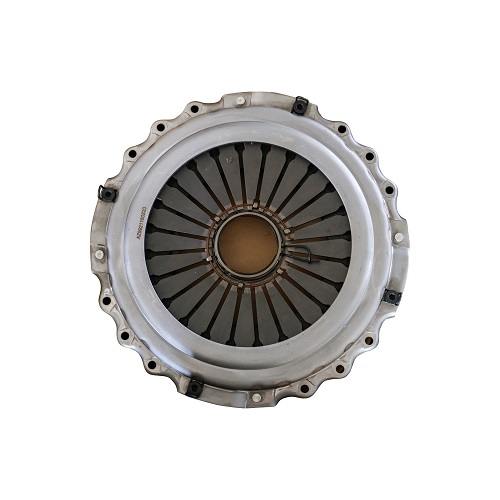
Description and specifications
-wrap-mode: nowrap;">The clutch pressure plate is one of the core components in a vehicle's drivetrain system. Key information is as follows:
Core Function
Working in conjunction with the clutch disc and release bearing, the pressure plate uses its spring force to press the clutch disc firmly against the flywheel, enabling power transmission from the engine to the transmission. When the clutch pedal is depressed, the pressure plate disengages from the clutch disc, interrupting power transfer to facilitate gear shifting.
Compatible Models & Parameters
Compatible Models: Heavy-duty trucks including Sinotruk Howo, Shaanxi Delong, Dongfeng Tianlong, etc.
Common Specifications: Diameters typically 380mm/430mm (large-size clutches common in heavy-duty trucks), torque capacity generally above 2000N・m, designed for high-horsepower diesel engines.
Product Features
Structure & Materials: Cast iron construction (some high-performance models use cast steel), equipped with diaphragm springs (or coil springs) to provide clamping force. Diaphragm spring-type pressure plates are the mainstream type for heavy-duty trucks, featuring compact structure and stable clamping force.
Operational Characteristics: Designed to withstand frequent engagement/disengagement impacts, the pressure plate surface undergoes quenching treatment to enhance wear resistance. The fatigue strength of the diaphragm spring directly impacts the pressure plate's service life.
Maintenance Key Points: If clutch slippage (insufficient power transmission) or incomplete disengagement (difficult shifting) occurs, inspect the pressure plate for wear or spring force degradation; typically replaced together with the clutch disc and release bearing (referred to as the “clutch three-piece set”).
Recommended Models
AZ9725160100
WG9114160013
WG9725160010